
Share this

From The Washington Post: 10:40 AM ET, 08/04/2011 By Sarah Kliff For a law regularly at the center of controversy, there was surprisingly little talk of the health care reform law during the debt ceiling debate. It certainly factored into some discussions — House Speaker John Boehner (R-Ohio) reportedly pushed for the individual mandate’s repeal…
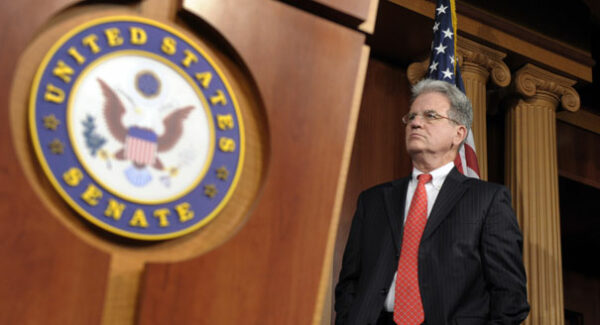
From Politico: By JENNIFER HABERKORN | 7/28/11 12:41 PM EDT President Barack Obama and House Speaker John Boehner failed to strike a “grand bargain” on the nation’s deficit, but they may have pulled off another trick: revolutionizing the debate over Medicare. When they both accepted the idea of increasing the Medicare eligibility age to 67,…
From The Chicago Tribune: By Noam N. Levey Washington Bureau May 28, 2011 . Former Massachusetts Gov. Mitt Romney has renounced it. Former House Speaker Newt Gingrich says he doesn’t believe in it anymore. Former Utah Gov. Jon Huntsman has brushed off suggestions he even considered it. As the three have discovered, there is hardly…

From The White House Blog: No Comparison Posted by Stephanie Cutter on April 27, 2011 at 05:40 PM EDT Earlier this week, Speaker John Boehner said Rep. Ryan’s plan to privatize Medicare “transforms Medicare into a plan that’s very similar to the President’s own health care bill.” This comparison is deeply flawed. Here’s why: No…

From Mother Jones: Illustration: Steve Brodner The secret campaign behind the phrase “government takeover of health care.” By David Corn IN THE SPRING of 2009, as the titanic fight over President Barack Obama’s health care proposal was beginning, Frank Luntz—an infamous Republican consultant who specializes in the language of politics—drew up a confidential 28-page report…
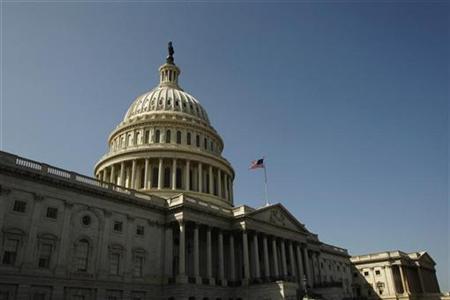
By Donna Smith WASHINGTON (Reuters) – The Republican-led House of Representatives passed legislation that would repeal President Barack Obama’s landmark healthcare reform law on Wednesday in a mostly symbolic move likely to be scuttled in the Senate. The House voted 245-189 to approve the Republican bill that would scrap the law, which was passed by…

From Huffington Post: By Bruce Lesley and Lisa Shapiro Posted: January 8, 2011 10:50 AM As is the ritual in Washington every two years, this week Congress began a new legislative session with Republican John Boehner (R-OH) holding the Speaker’s gavel. In remarks opening the 112th Session, Speaker Boehner recognized the enormous challenges of our…

From the nonpartisan, nonprofit Factcheck.org: The Truth About Health Insurance Premiums The new law has brought increases for some. But GOP leaders exaggerate. November 19, 2010 Summary Leading Republicans in Congress are blaming the new health care law for double-digit rate increases being sought by insurance companies in Washington state, New York and Connecticut. But…

From factcheck.org: The Truth About Health Insurance Premiums The new law has brought increases for some. But GOP leaders exaggerate. November 19, 2010 Summary Leading Republicans in Congress are blaming the new health care law for double-digit rate increases being sought by insurance companies in Washington state, New York and Connecticut. But insurance regulators, leading…
Share this

Contact Us
Have questions? Send us a private message using the form below.